
Summary
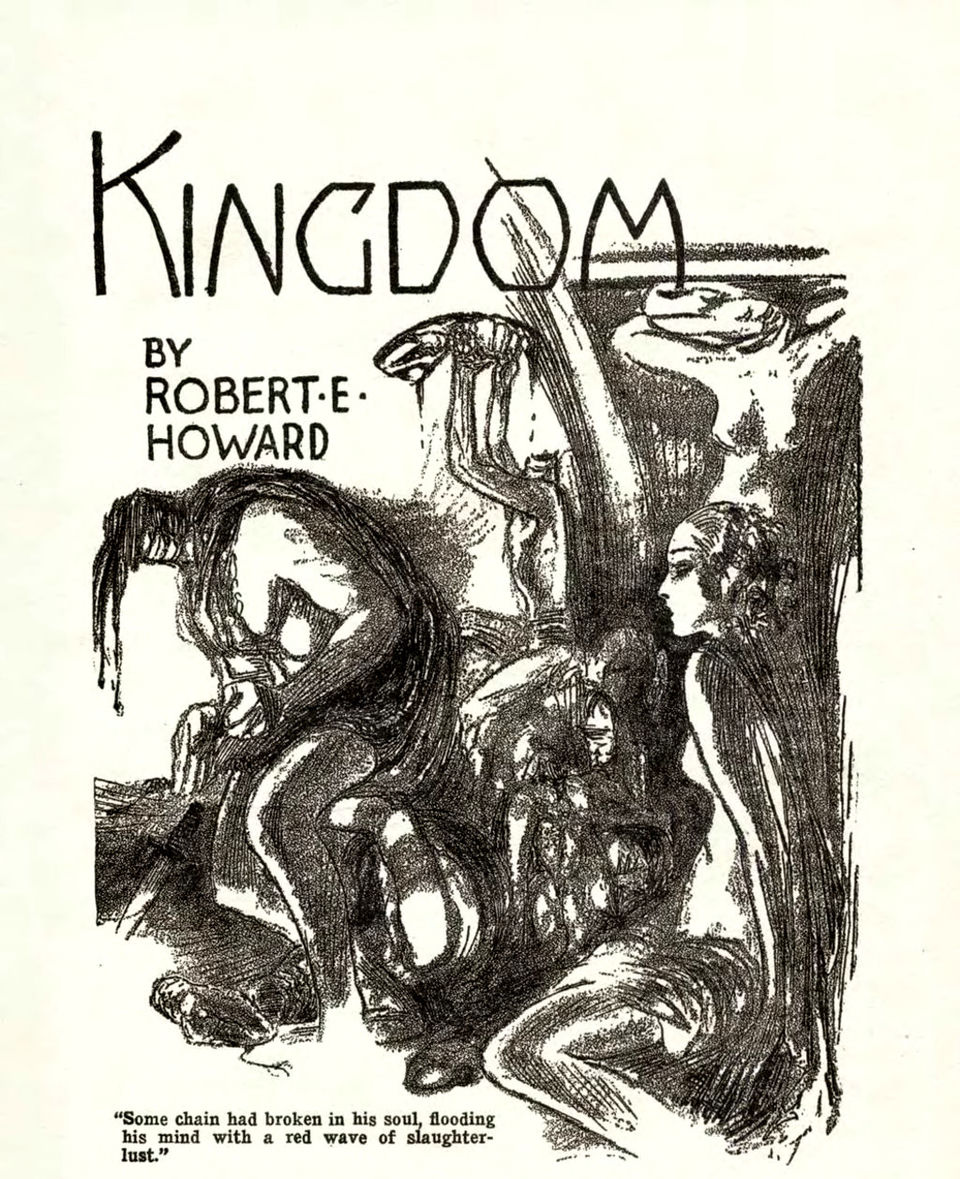
The history of the reptilian motif is well documented, and it points to fiction rather than to hidden facts. In South and Southeast Asian religions, the Nāgas are semi-divine beings, half human and half serpent, a very old image of a snake-like people. The modern version of a shape-shifting reptilian people infiltrating humanity appears in 1929, when Robert E. Howard published "The Shadow Kingdom" in Weird Tales, where an ancient pre-human race of serpent men rules from the shadows by disguising itself. The political scientist Michael Barkun judges that the idea of a reptilian conspiracy originated in this pulp fiction, and that an occultist's 1940s pamphlet on a "serpent race" most likely drew on it. The 1983 television miniseries V, about reptilian aliens disguised as humans, added a popular image, and a French encyclopedia notes that Icke's theory mixes ancient-astronaut ideas with works of science fiction such as V. The historian Edward Guimont adds another strand: legends born of colonisation in Africa that Icke would have inherited.
These are established facts about publications and dates. They explain how the motif was assembled, not whether any such beings exist.
Verified facts
- Verified fact
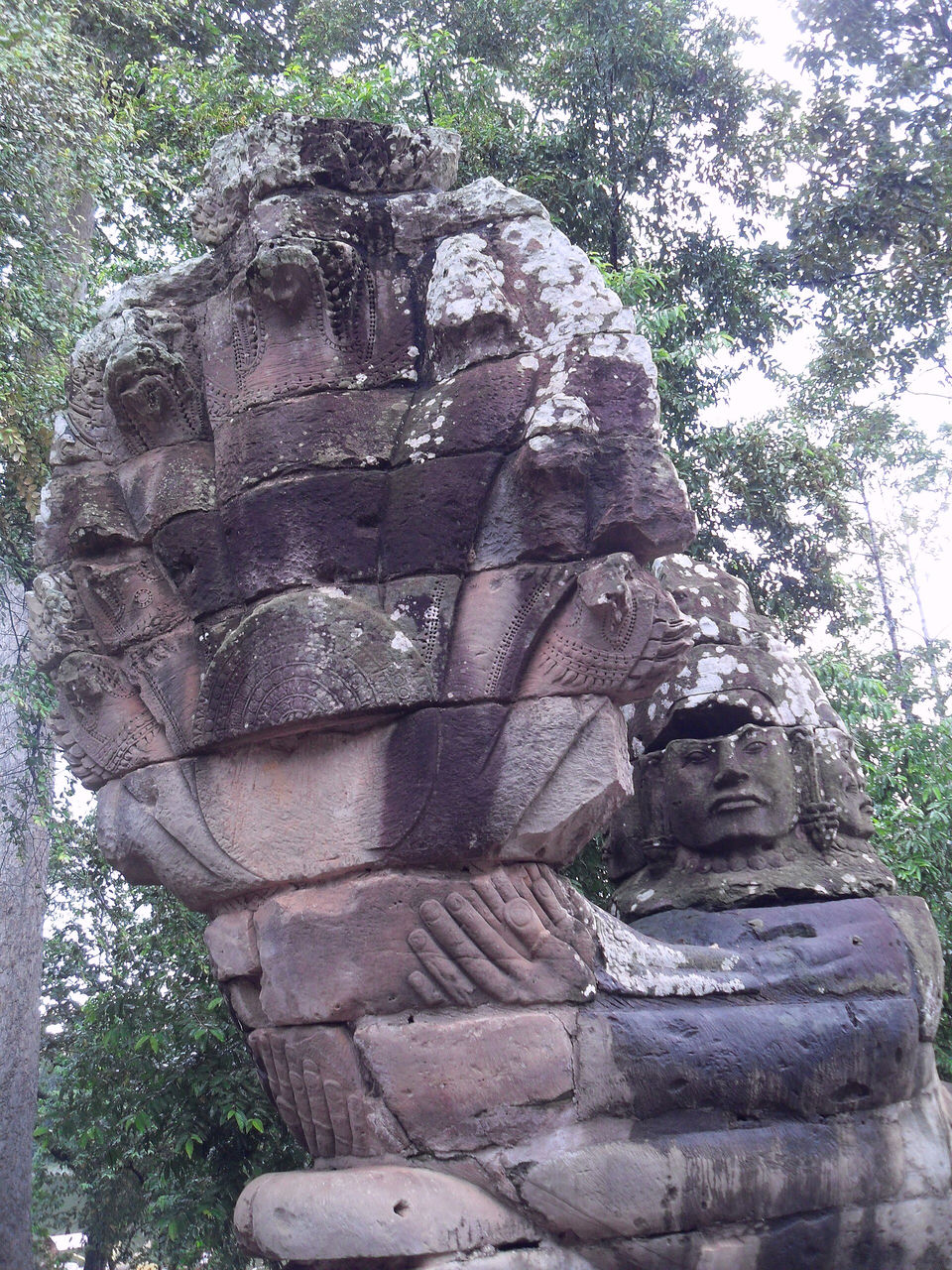
In South and Southeast Asian religious traditions, the Nāgas are a divine or semi-divine race of half-human, half-serpent beings living in the netherworld.
- Nāga, Wikipedia
are a divine or semi-divine race of half-human, half-serpent beings that reside in the netherworld
- Nāga, Wikipedia
- Verified fact
The Serpent Men of Robert E. Howard's 1929 Kull stories, reptilian humanoids able to project an illusion of human form, are credited with originating the modern reptilian humanoid trope.
- Reptilian humanoid, Wikipedia
reptilian humanoids who can project illusions of human form
- Reptilian humanoid, Wikipedia
- Verified fact
In "The Shadow Kingdom", the Serpent Men are an ancient pre-human race who rule from the shadows, disguising themselves by magic.
- The Shadow Kingdom, Wikipedia
Serpent Men, an ancient pre-human race who had founded Valusia but were almost extinct, rule from the shadows
- The Shadow Kingdom, Wikipedia
- Verified fact
The political scientist Michael Barkun argues that the idea of a reptilian conspiracy originated in Howard's fiction.
- Reptilian conspiracy theory, Wikipedia
Michael Barkun, professor of political science at Syracuse University, posits that the idea of a reptilian conspiracy originated in the fiction of Conan the Barbarian creator Robert E. Howard
- Reptilian conspiracy theory, Wikipedia
- Verified fact
In the 1940s the occultist Maurice Doreal wrote a pamphlet describing a "serpent race" able to take human form; Barkun says its ideas in all likelihood came from "The Shadow Kingdom".
- Reptilian conspiracy theory, Wikipedia
Barkun asserts that "in all likelihood", Doreal's ideas came from "The Shadow Kingdom"
- Reptilian conspiracy theory, Wikipedia
- Verified fact
The 1983 television miniseries V features alien "Visitors", reptilian humanoids disguised as human beings, who try to take over Earth.
- V (franchise), Wikipedia
reptilian humanoids disguised as human beings
- Reptilien, Wikipédia
Il échafaude une théorie du complot en mélangeant des thèses ufologiques, comme la théorie des anciens astronautes et des œuvres de science-fiction comme la franchise Stargate ou la série V
- V (franchise), Wikipedia

Official version
- Official version
The historian Edward Guimont argues that Icke's version drew on earlier pseudohistorical legends born during the colonisation of Africa.
- Reptilian conspiracy theory, Wikipedia
Historian Edward Guimont has argued that the reptilian conspiracy theory, particularly as expounded by Icke, drew from earlier pseudohistorical legends developed during the colonisation of Africa
- Hunting Dinosaurs in Central Africa, Contingent Magazine, 18 March 2019
combining the revisionist history of Ley’s sirrush link to Central Africa, racist stereotypes, and the thinly-veiled colonialist concept of ancient aliens
- Reptilian conspiracy theory, Wikipedia