Conspiracy allegation: inclusion in the atlas ≠ established fact.
Summary
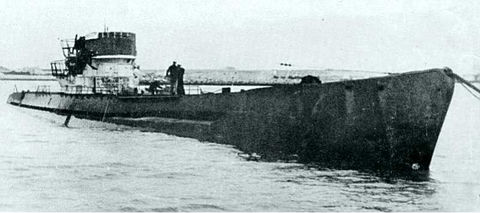
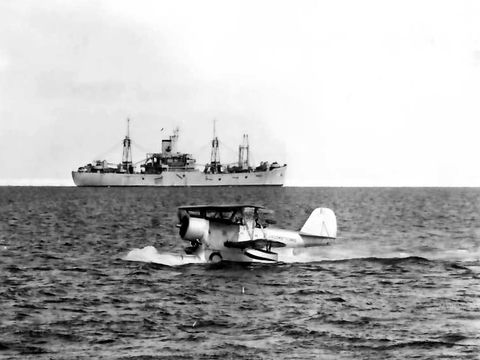
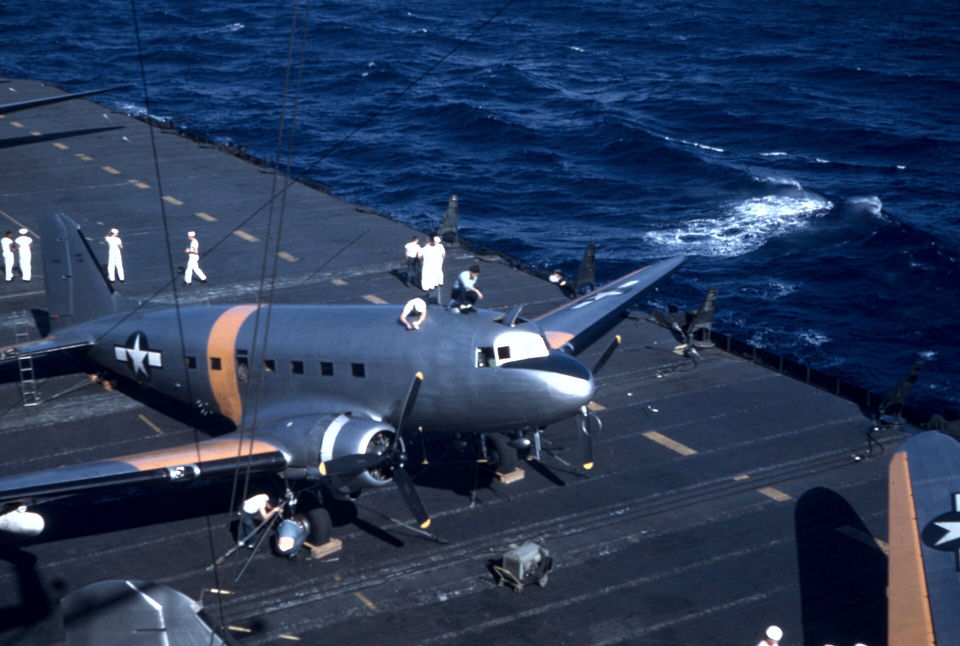
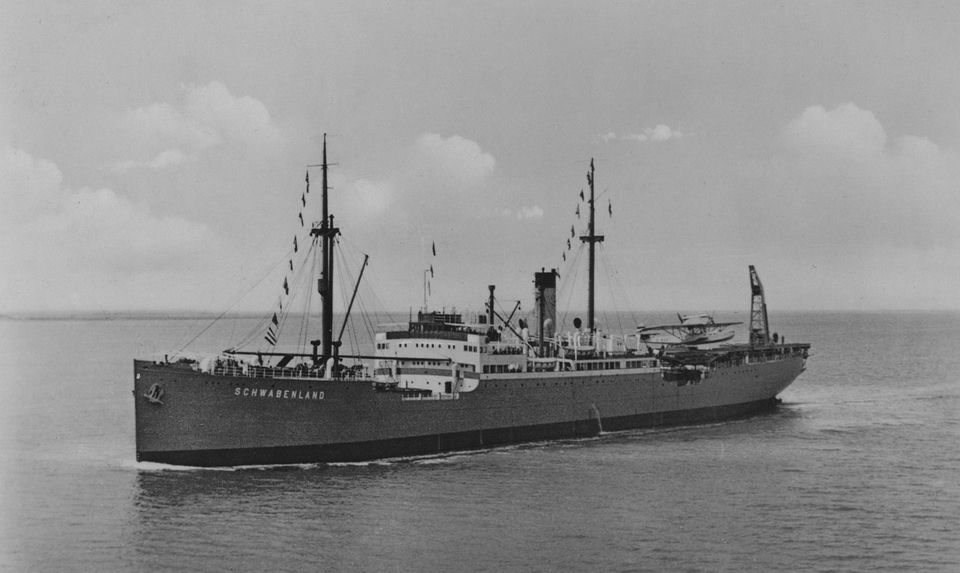
The "Nazi base" thesis holds that Nazi Germany built a secret, city-sized base in Antarctica, often called Base 211 or New Berlin, in the area it explored in 1938-39 and named Neuschwabenland, and that Nazi leaders, scientists and elite units survived there after 1945. Its roots are real episodes: the Schwabenland expedition of 1938-39, the arrival of two U-boats, U-530 and U-977, in Argentina in July and August 1945, and the US Navy's Operation Highjump of 1946-47. Shortly after the surrender, the Hungarian exile Ladislas Szabo published in an Argentine newspaper the story of a Hitler who had escaped to a polar stronghold; in the 1970s Ernst Zündel's books and in 1978 Miguel Serrano's El Cordón Dorado added flying saucers and a "Last Battalion", and the tale later grew into British and American assaults and nuclear strikes on the base. Supporters cite the secrecy of the expedition, the late U-boat arrivals and the size of Highjump. What is established: the 1938-39 voyage was a whaling-driven survey by one ship and two seaplanes whose members never entered the interior, no permanent German settlement ever existed, and a peer-reviewed study (Summerhayes and Beeching, Polar Record, 2007) shows that the U-boats could not have reached the coast and that Highjump and the 1958 Argus tests took place elsewhere and for other reasons.