Conspiracy allegation: inclusion in the atlas ≠ established fact.
Summary
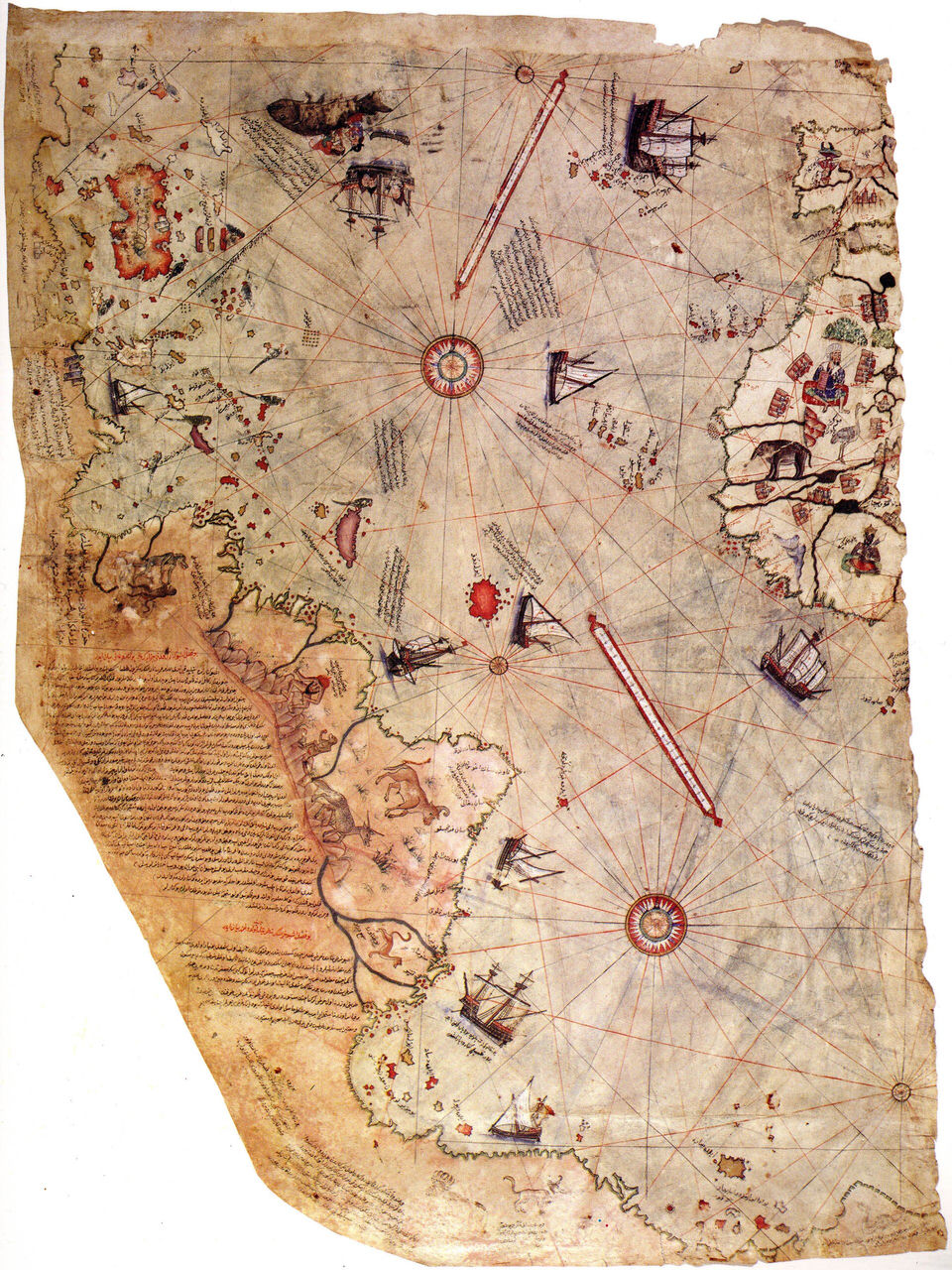
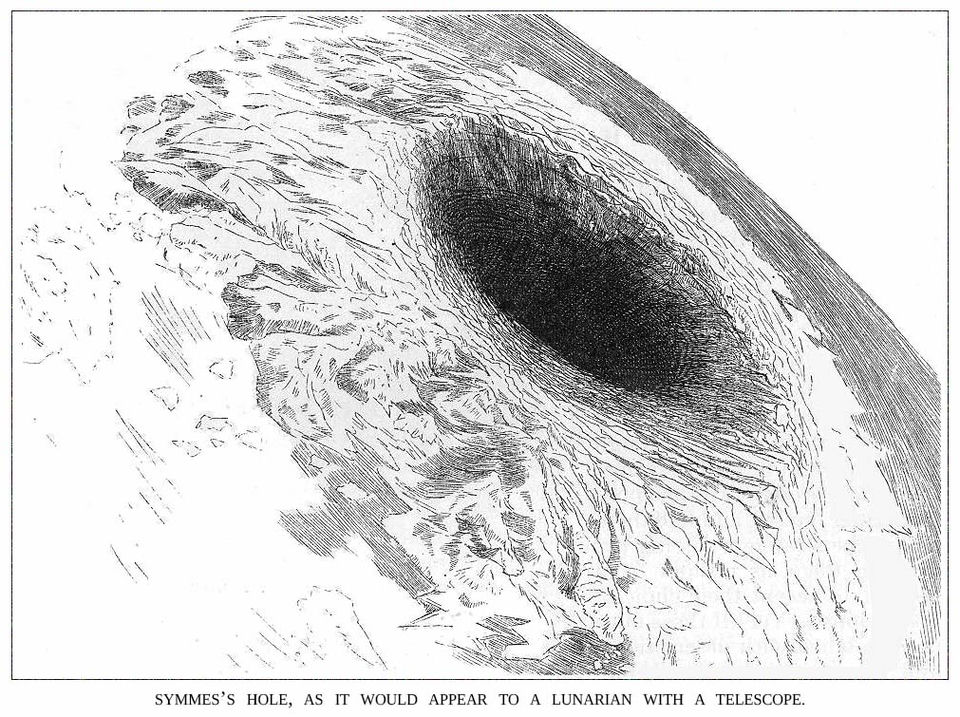
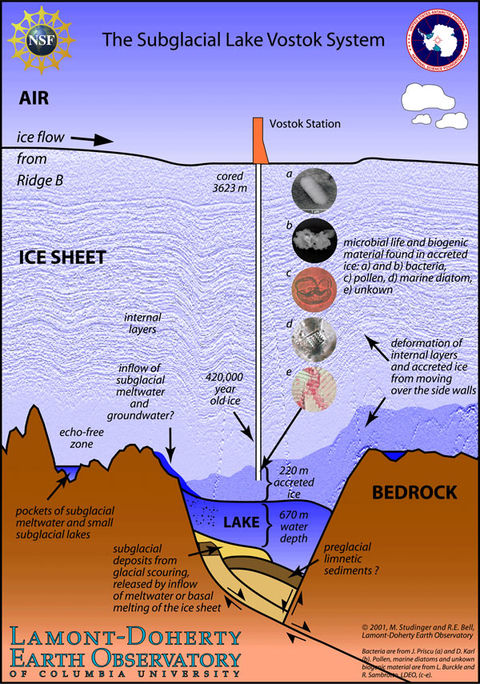
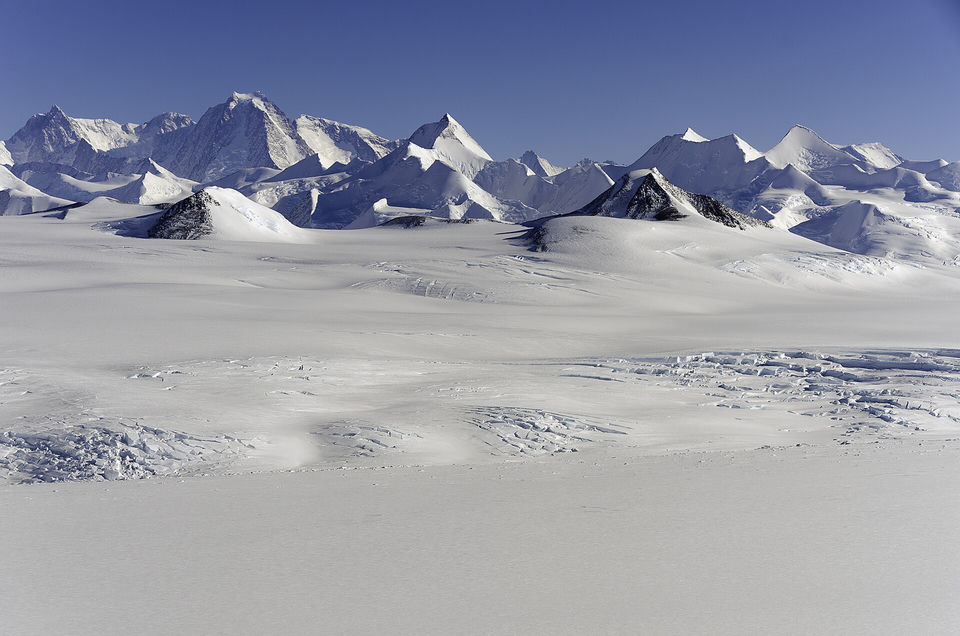
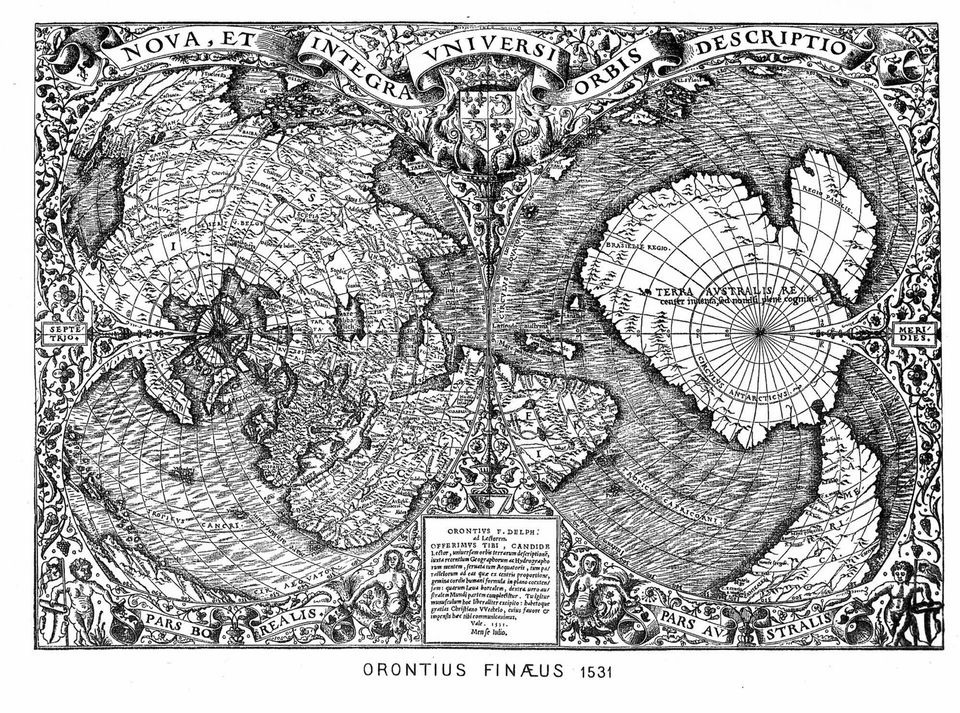
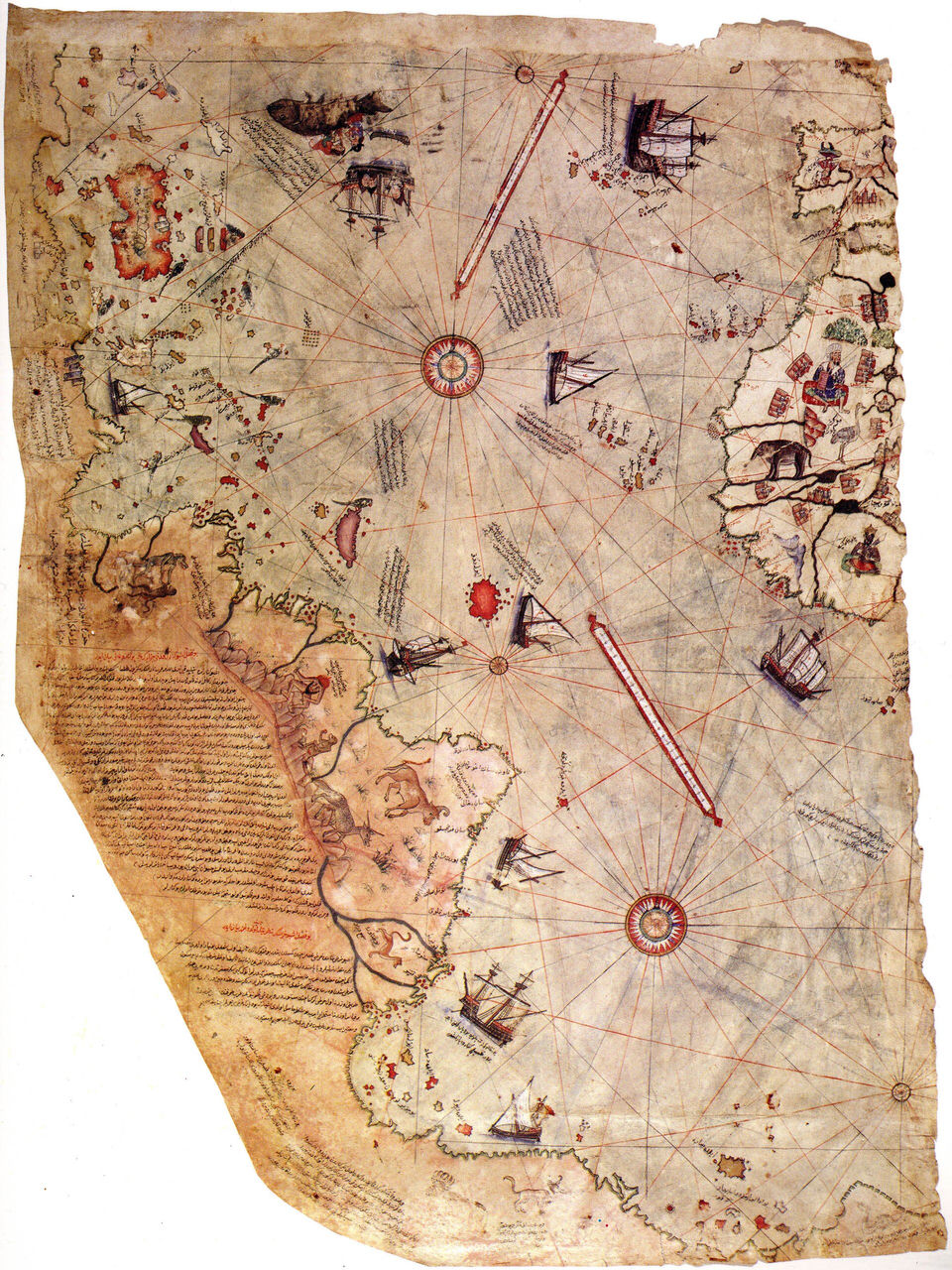
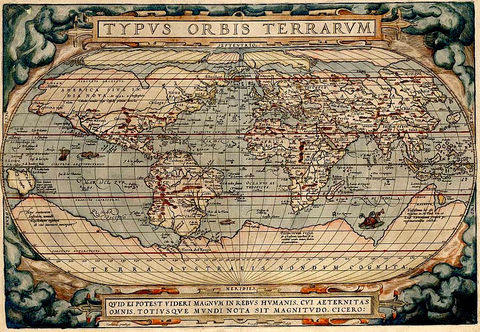
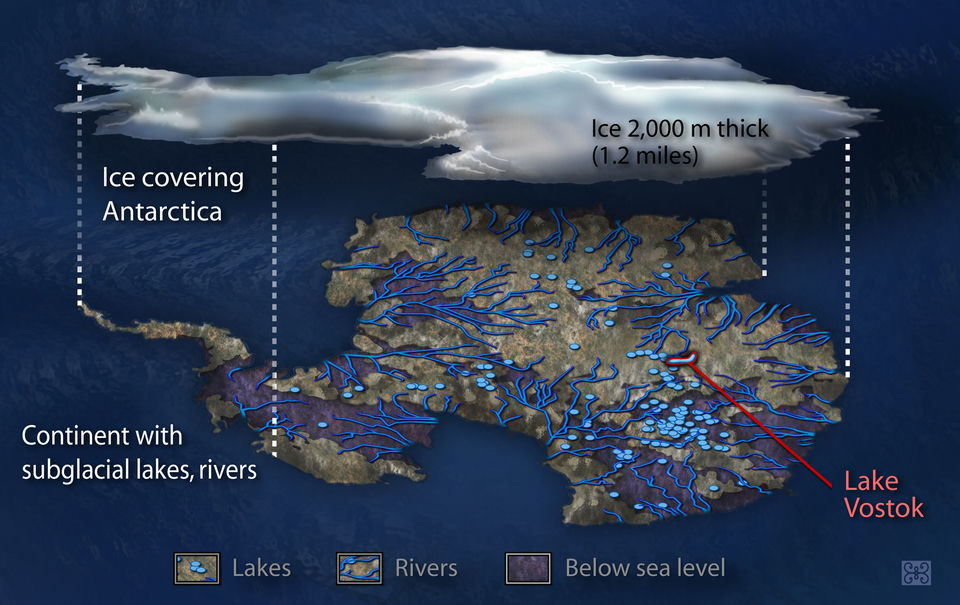
The thesis "Antarctica hides a civilization" holds that an advanced society once lived on the southern continent, or still lives beneath its ice, and that this has been kept from the public. Its best-known form comes from Charles Hapgood, who argued in Maps of the Ancient Sea Kings (1966) that the Piri Reis map of 1513 showed an ice-free Antarctic coast drawn by an ice-age civilization. Rand and Rose Flem-Ath placed Atlantis there in When the Sky Fell (1995), and Graham Hancock's Fingerprints of the Gods (1995) and the Netflix series Ancient Apocalypse (2022) spread the idea of a lost Ice Age civilization whose survivors taught the rest of the world. Other versions rely on a pyramid-shaped peak in the Ellsworth Mountains, on hollow-Earth ideas going back to John Cleves Symmes in 1818, or on strange radio signals recorded by the ANITA balloon experiment. What is established: Antarctica is the only continent without a native human population; beneath the ice lie 675 known subglacial lakes, including Lake Vostok, where researchers study microbes; and a 90-million-year-old temperate rainforest soil was recovered off West Antarctica. Geologists reject the rapid pole shift on which the theory leans, the last ice-free Antarctica dates back more than ten million years, and the pyramid is a glacier-carved peak.