Conspiracy allegation: inclusion in the atlas ≠ established fact.
Summary
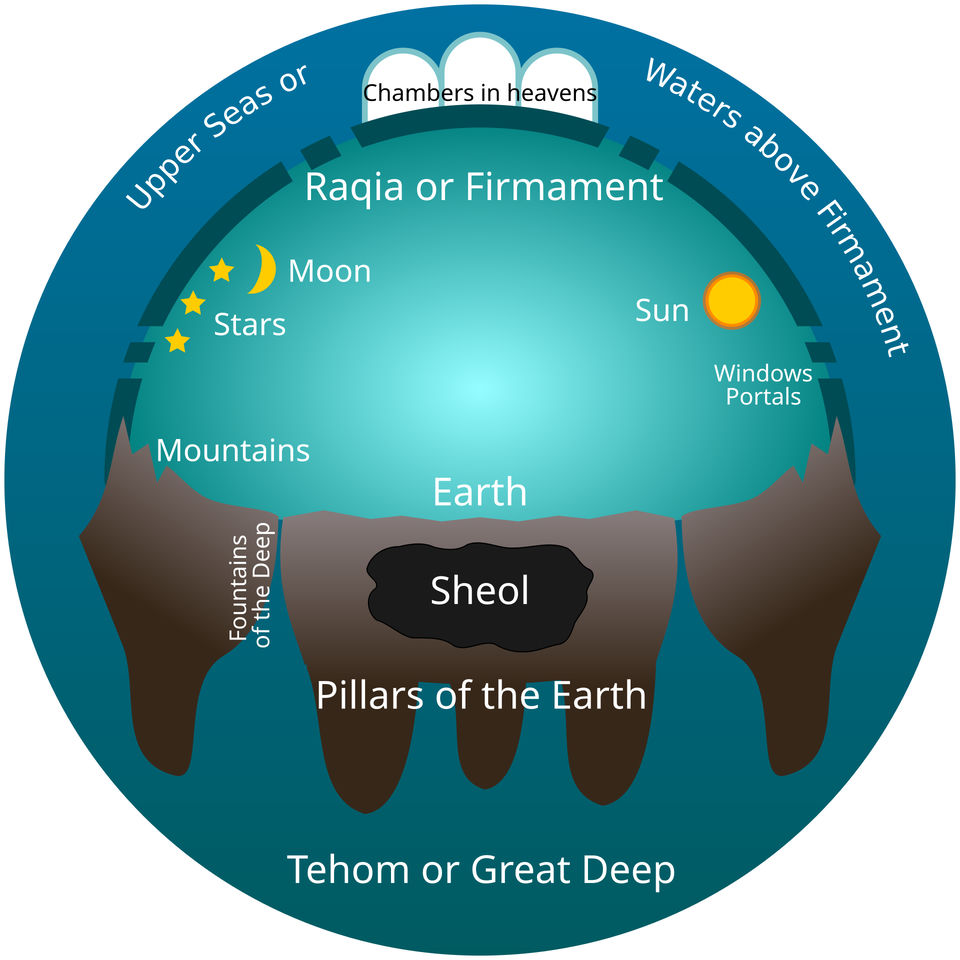
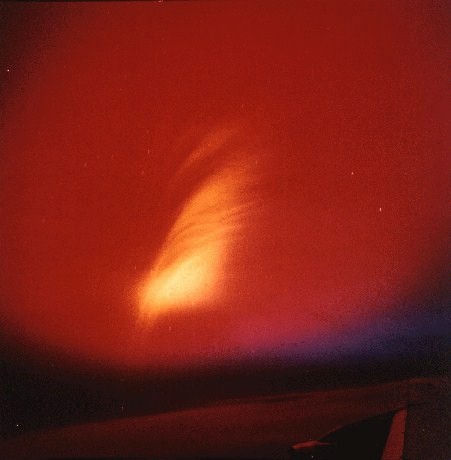
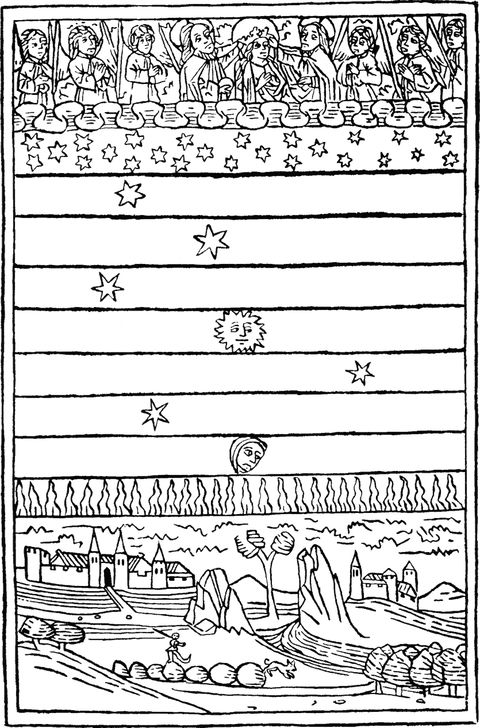
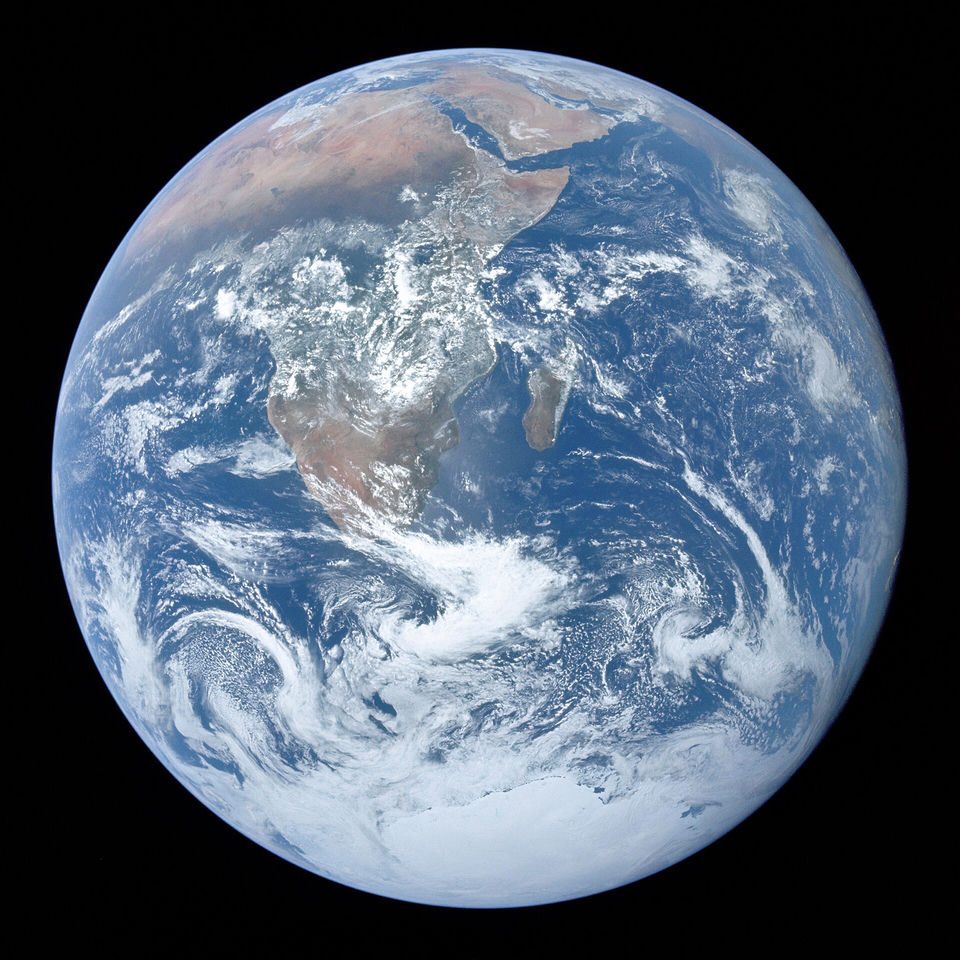
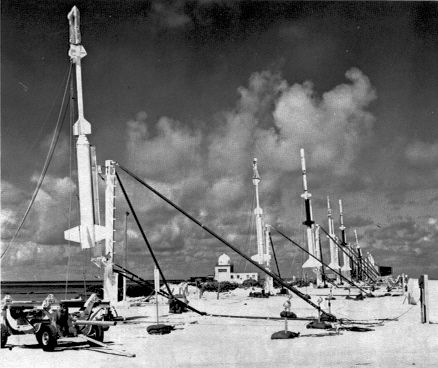
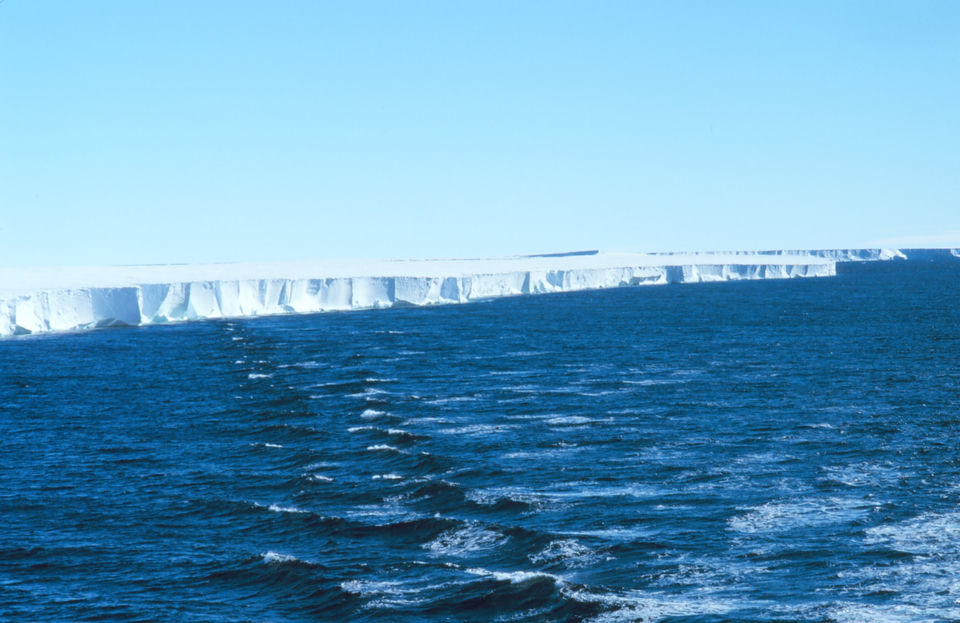
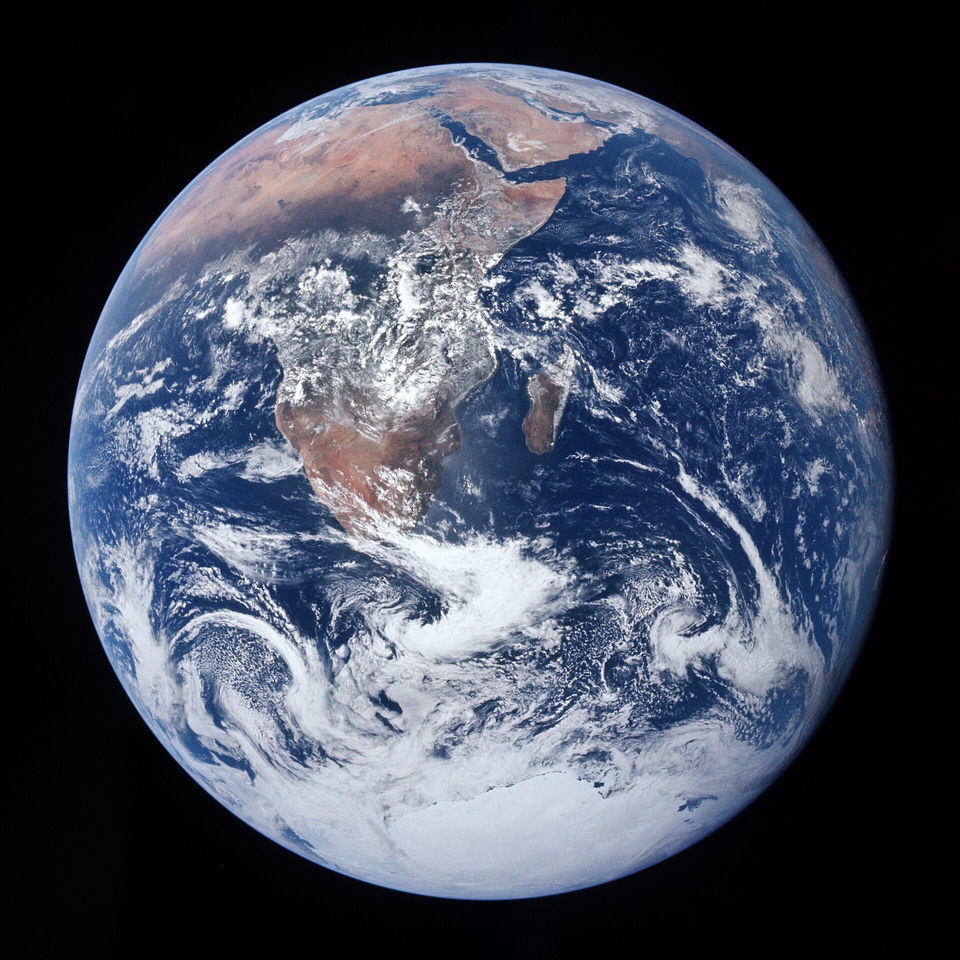
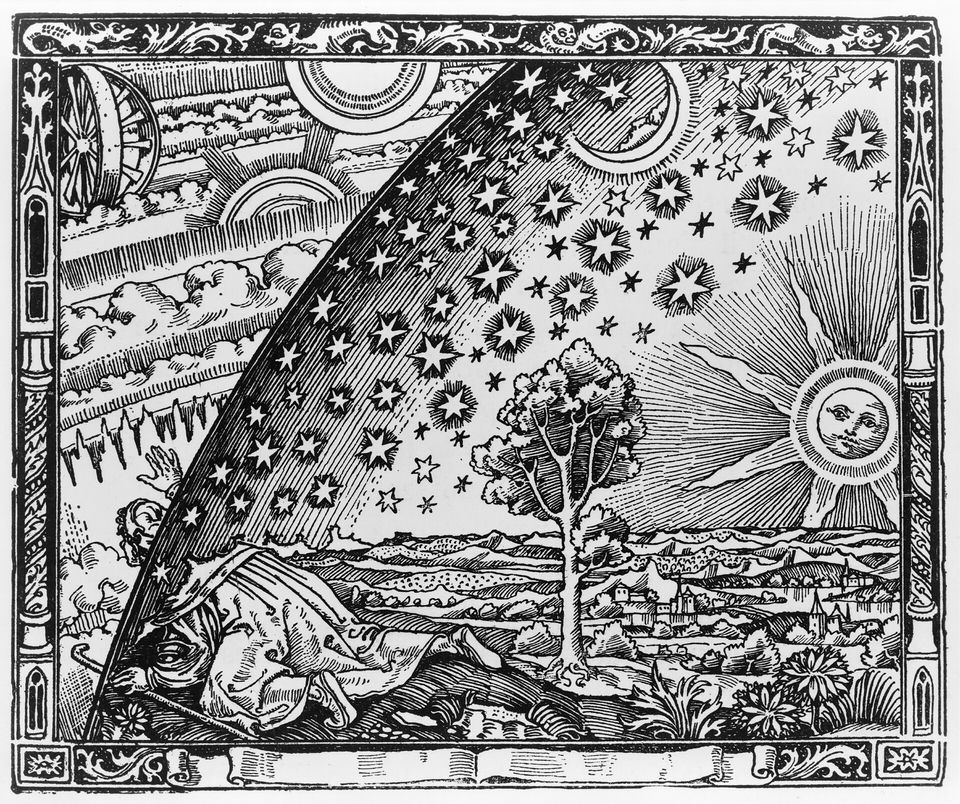
The "artificial celestial dome" thesis holds that the sky is not open space but a solid vault, a firmament, built over a flat Earth and closing it like a giant snow globe. Its supporters usually start from Genesis 1:6-8, where God makes a firmament to divide the waters above from the waters below, and read the word literally. In the modern flat-Earth movement the dome sits on the rim of the Antarctic "ice wall"; viral videos add that rockets and the 1962 Fishbowl nuclear tests tried and failed to break through it. Figures such as conference organiser Robbie Davidson and Mark Sargent, whose series Flat Earth Clues dates from 2015, helped spread the image, although the Flat Earth Society's own model has no dome. What is established is different. The picture is very old: Babylonian and Hebrew texts describe a dome holding back waters above the Earth, and scholars still debate whether the Hebrew raqia meant a solid sheet. Aristotle gave evidence of a spherical Earth by about 330 BC, and Tycho Brahe's comet studies ended the belief in hard heavenly spheres. Today the atmosphere is known to have no sharp edge, only a gradual fading into space; Voyager 1 and many other spacecraft have left it without meeting any barrier; and Fishbowl was a series of weapons-effects tests whose real consequences, such as damaged satellites, were measured.