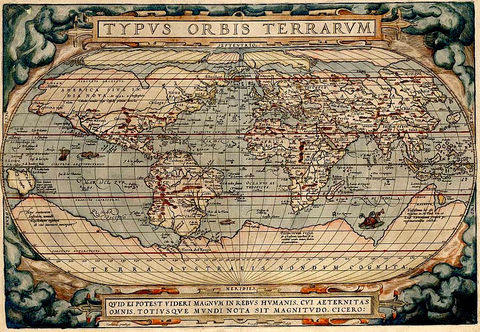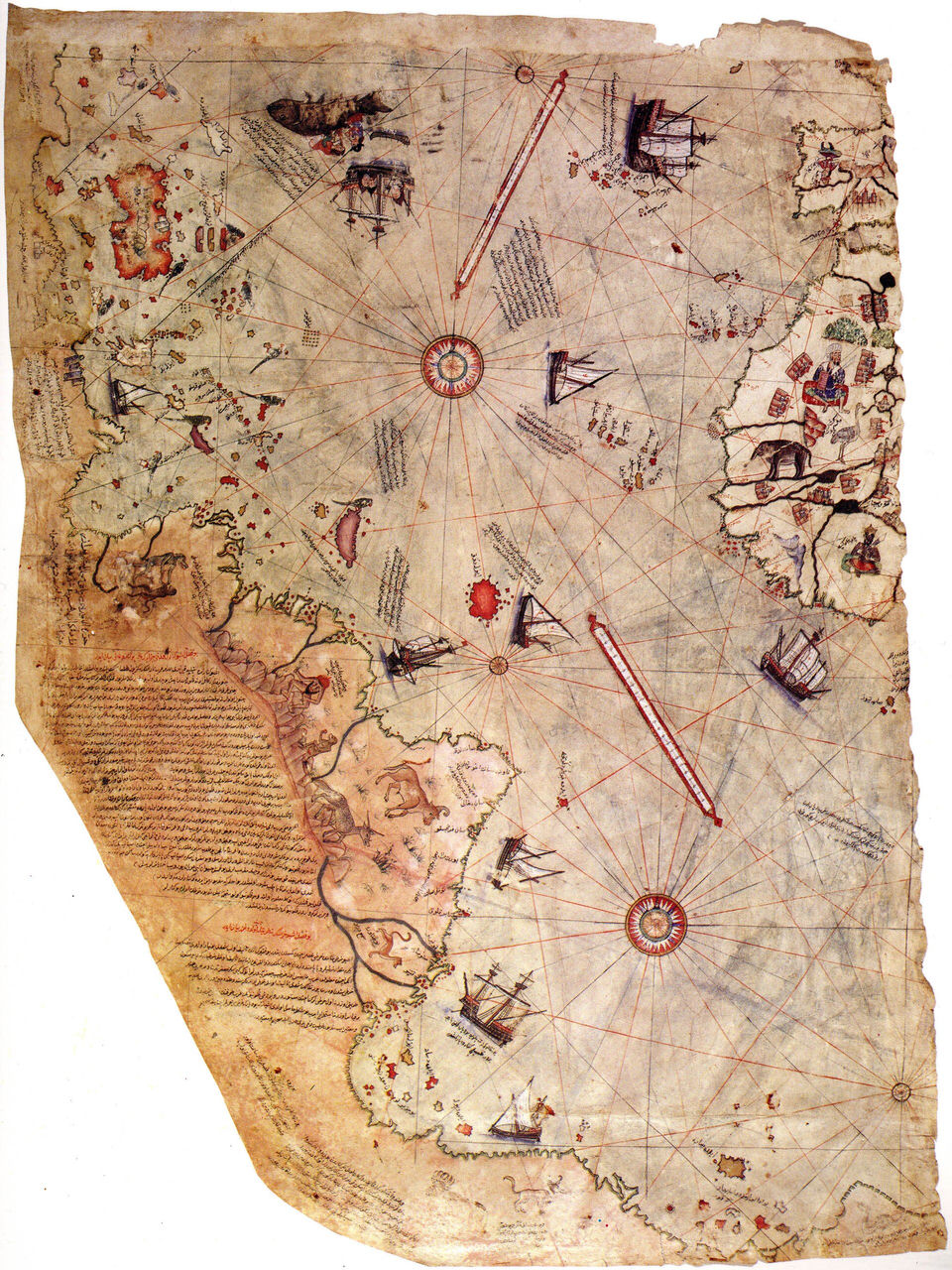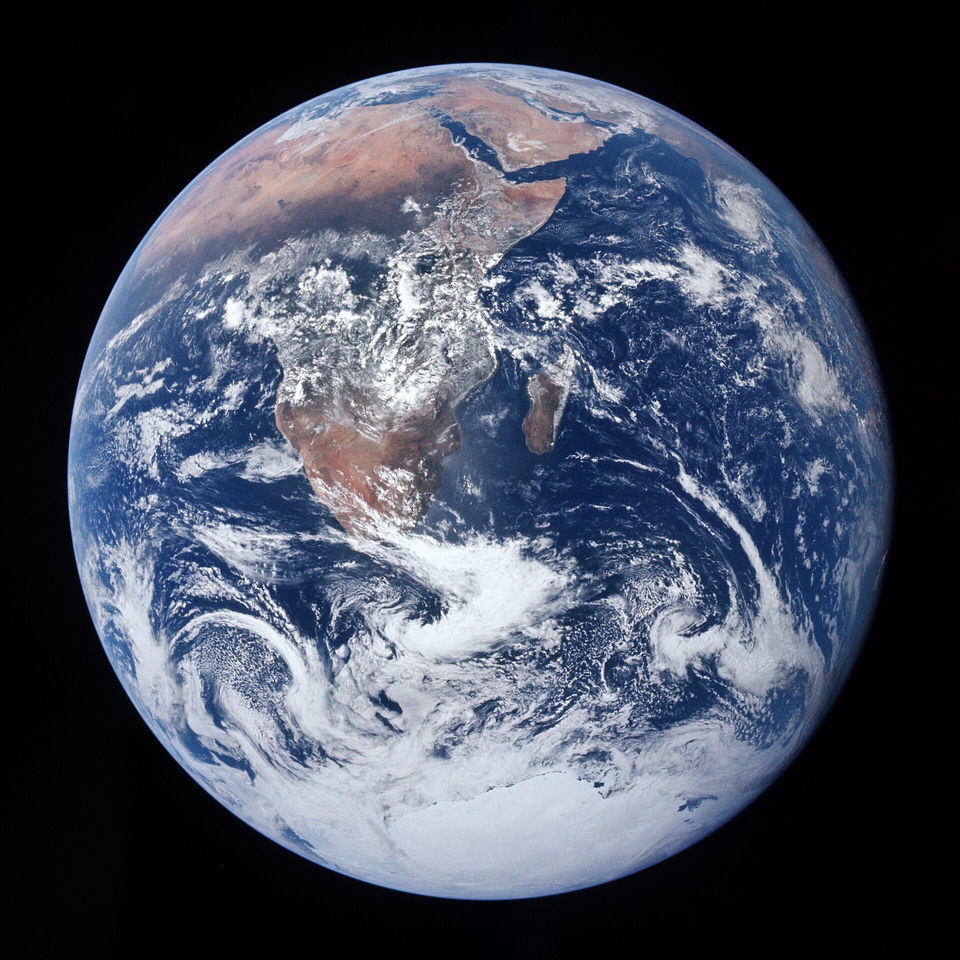
Conspiracy allegation: inclusion in the atlas ≠ established fact.
Summary
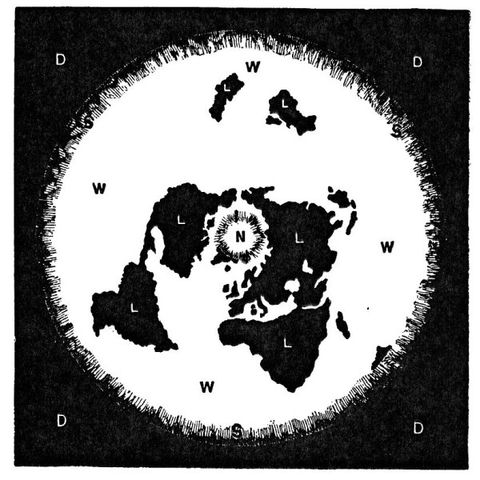
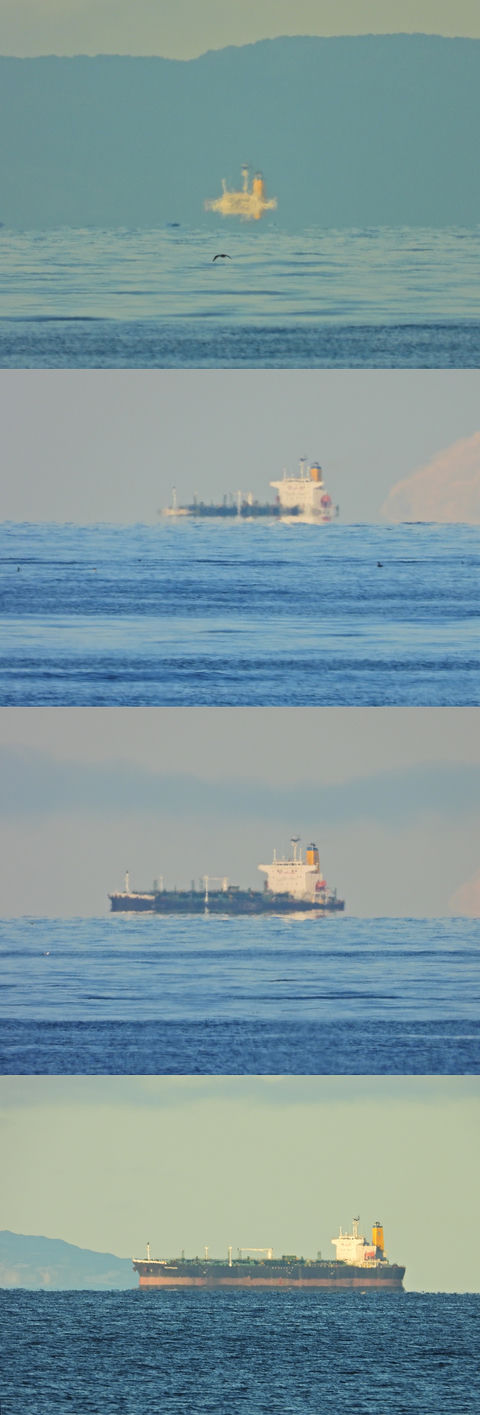
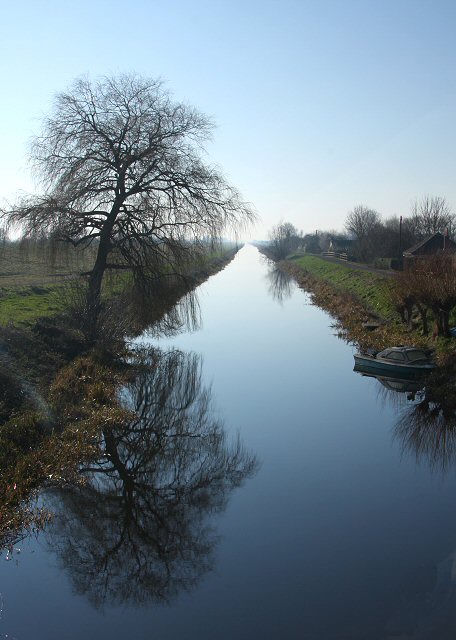
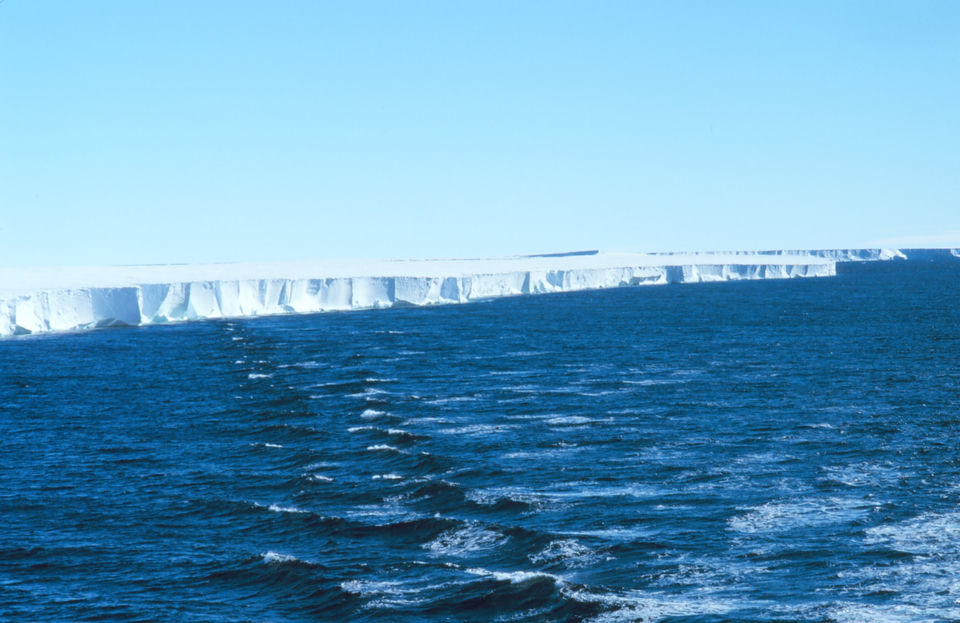
The flat Earth theory holds that the planet is a flat surface, usually a disc, rather than a sphere, and that governments, space agencies and scientists conceal or fabricate the evidence of its roundness. The modern movement begins with the English writer Samuel Rowbotham, whose 1849 pamphlet Zetetic Astronomy and later book described a disc centred on the North Pole and bounded by a wall of ice, Antarctica. Lady Elizabeth Blount founded the Universal Zetetic Society in 1893, and in 1956 Samuel Shenton created the Flat Earth Society, later led by Charles K. Johnson. Since the 2010s, YouTube and conferences have brought the idea a new audience: a 2018 YouGov poll found that 2% of Americans resolutely say the Earth is flat. Supporters point to a level-looking horizon, to experiments along the Bedford Level canal and to the claim that images from space are fabricated. Models differ: disc, domed plane, infinite plane.
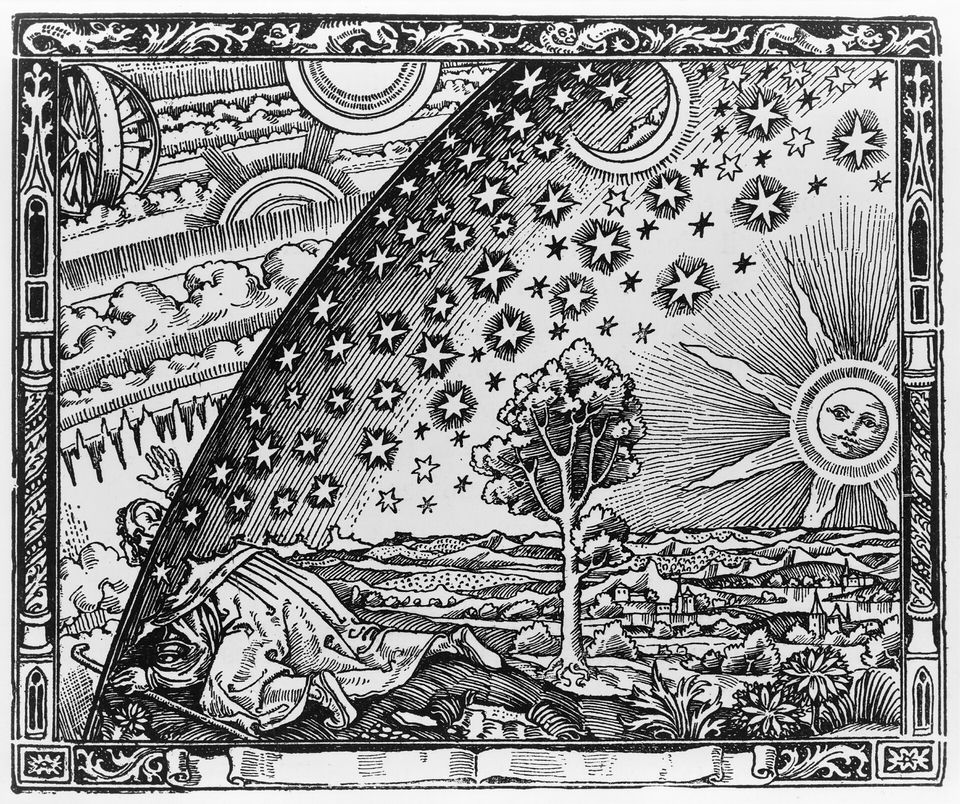
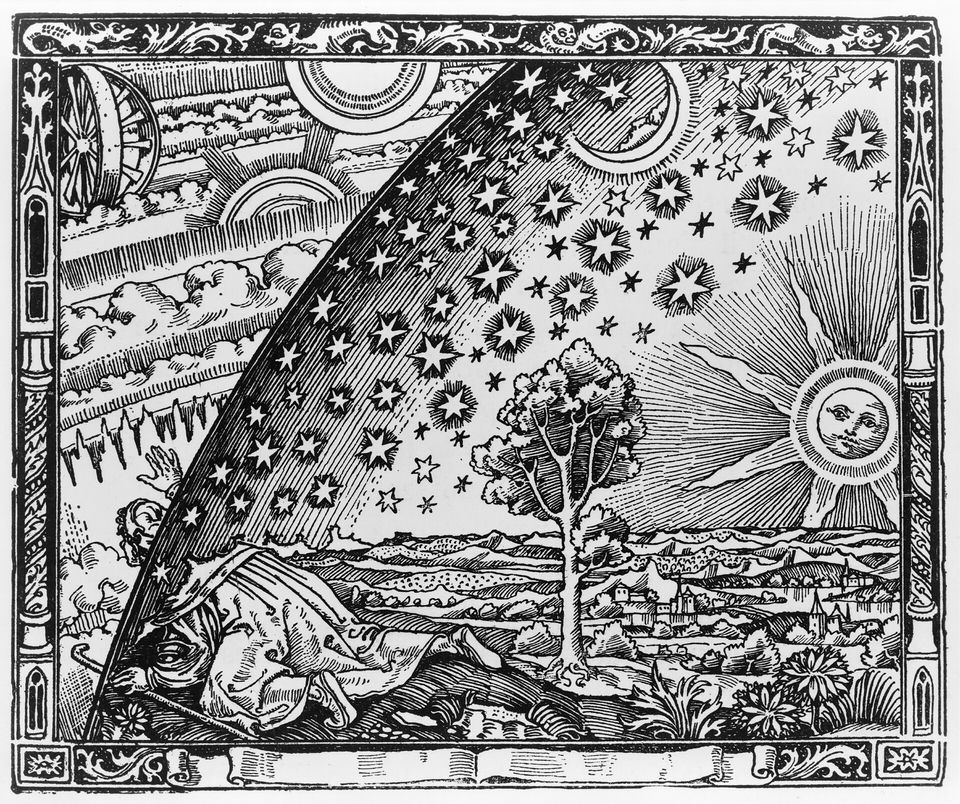
What is established points the other way. Greek astronomers described a spherical Earth, Eratosthenes measured its circumference, the Earth's shadow on the Moon is circular, Magellan and Elcano's expedition sailed around it between 1519 and 1522, and satellites image the whole sunlit disc. Experiments by believers themselves, from Wallace in 1870 to a ring laser gyroscope in 2018, returned the result of a globe. The idea that medieval scholars believed in a flat Earth is, for historians, a nineteenth-century myth.